Transform Literacy at Your School with Get Reading Right!
Get Reading Right produces synthetic phonics resources that are made by teachers, for teachers, in Australian and International Schools
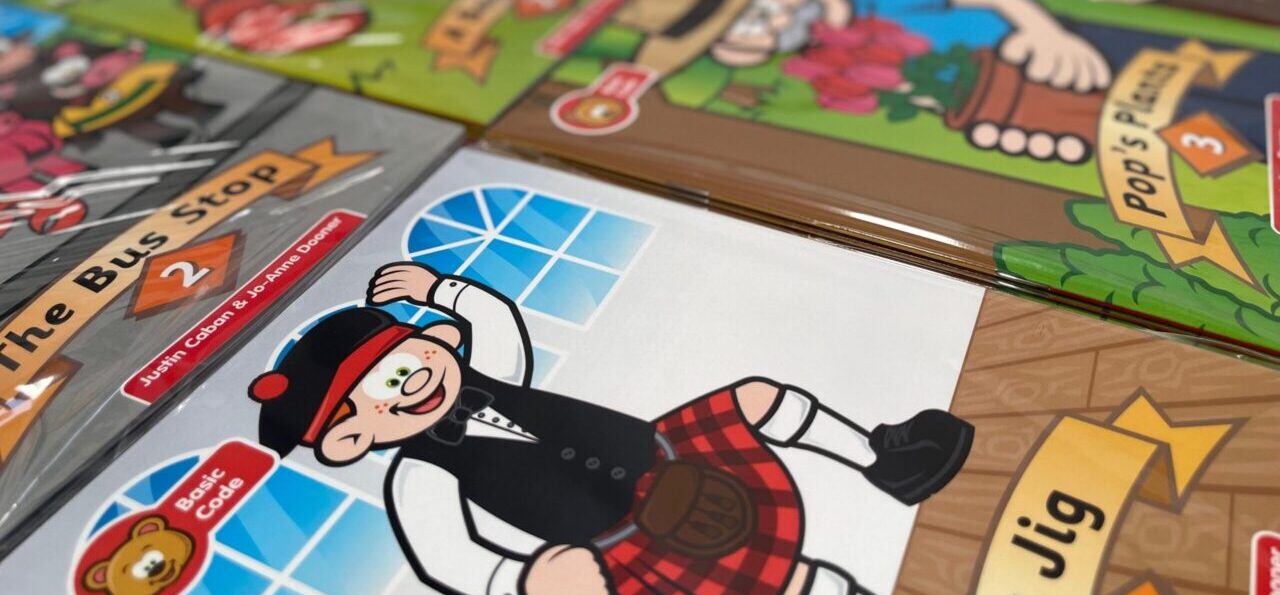
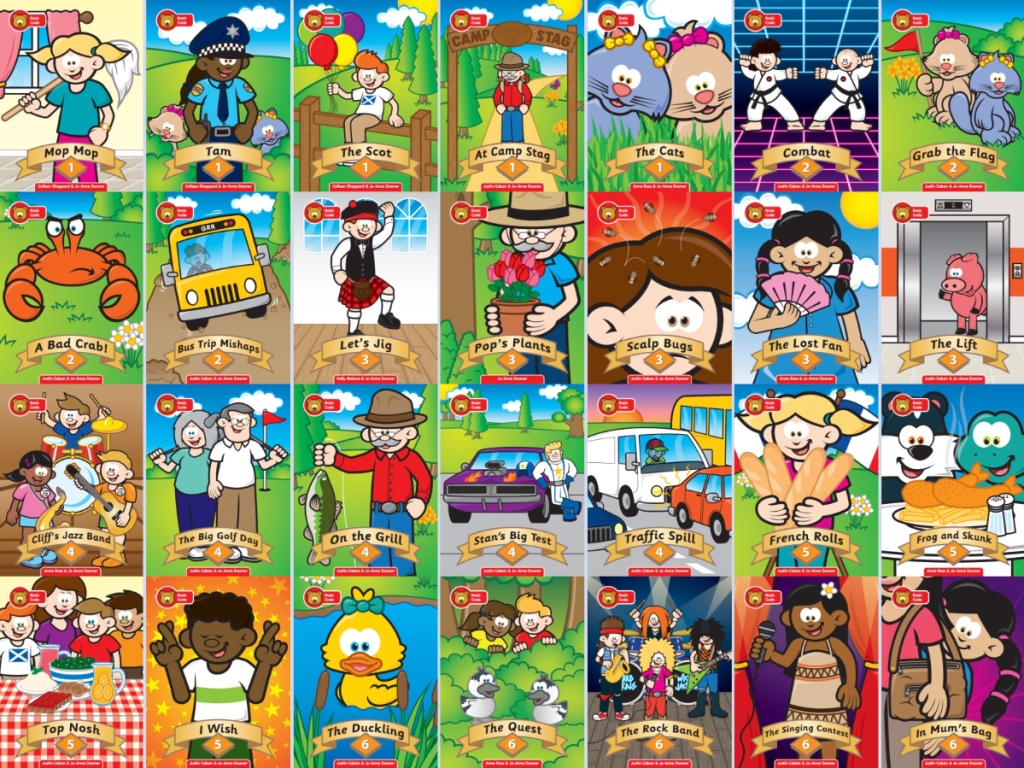
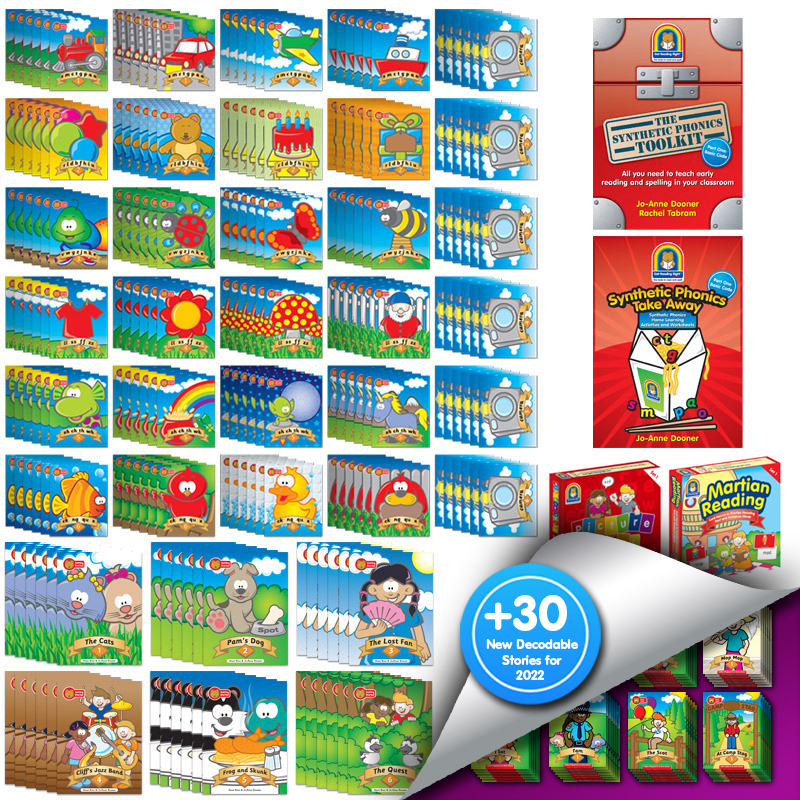
Beautiful Decodable Texts
Our decodable texts are uniquely engaging as we help students learn how to read, comprehend and infer.
In each of our vibrant decodable stories, there are also questions for teachers to ask to not only ensure the students are reading, but also, understanding what they read.
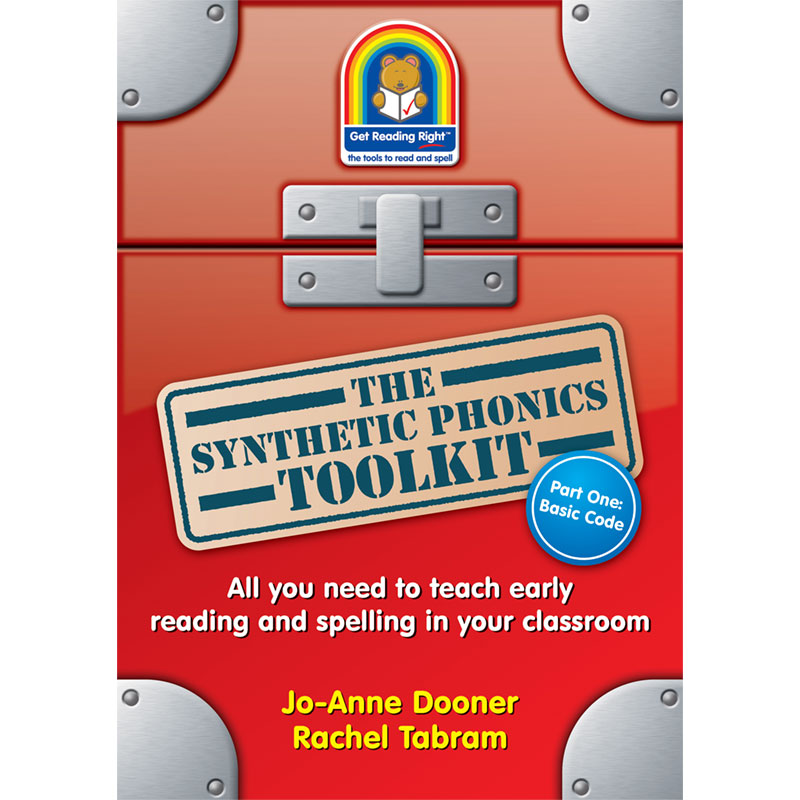
Lesson Plans, Activities, Word Lists and Guidance for Teachers
Whether you are new to synthetic phonics, or an expert, our teacher manuals provide everything that you need to implement synthetic phonics in your classroom and across the school with consistency.
Develop Vocabulary While Decoding
Our unique vocabulary decodable texts provide a series of decodable words but in different contexts and/or with different meanings to help students develop their vocabulary while also still decoding.
Sturdy Whiteboards and Magnetic Letters - Built for the Classroom
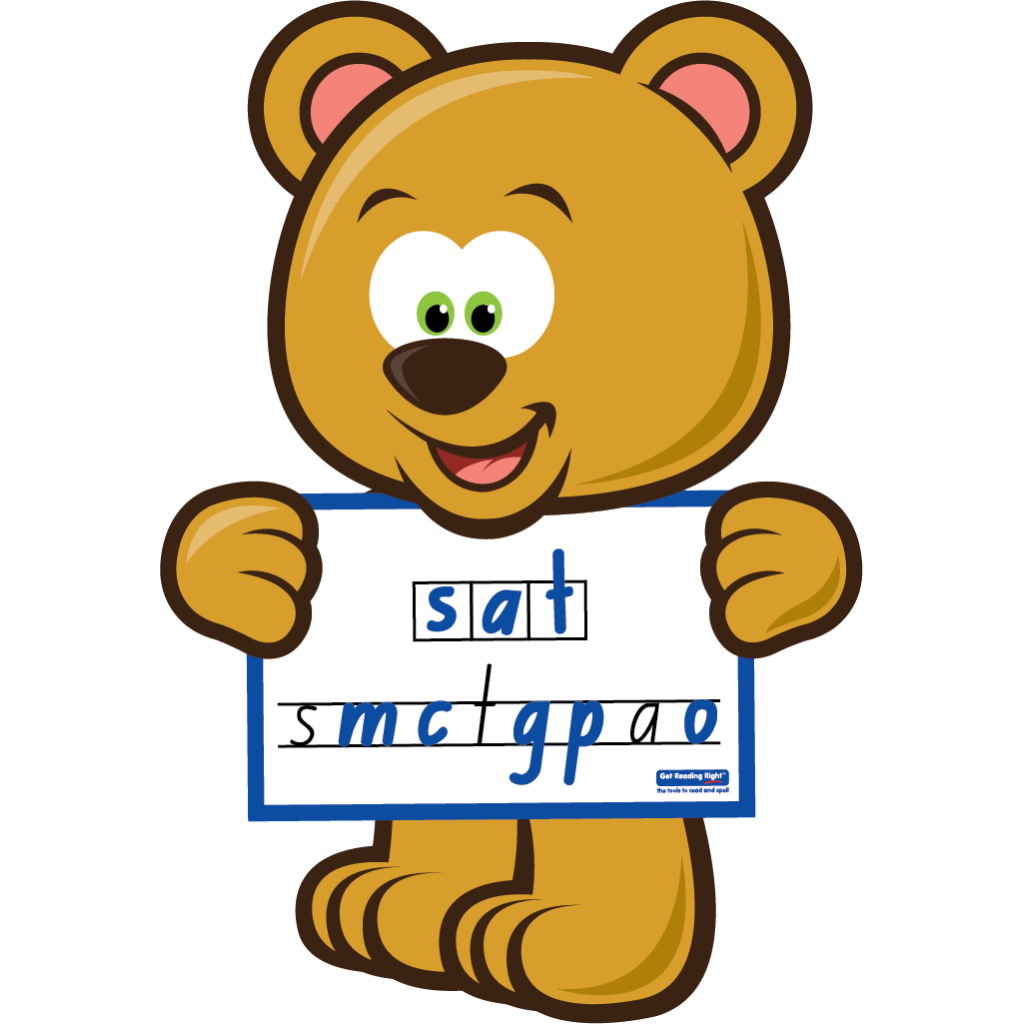
Our custom designed magnetic whiteboards are large, double sided boards that also include a basic marker and eraser.
They are the perfect companion to our magnetic letters which are available in NSW Foundation Font and Sassoon Font.
Send Books Home, Virtually
Our entire range of decodable texts, including our practice books, camera word books and decodable stories are all available on line with Get Reading Right PLUS!
Send books home with a simple QR code – no logins or passwords for kids!
Classroom Packs: Everything you need to get started with phonics in your class!
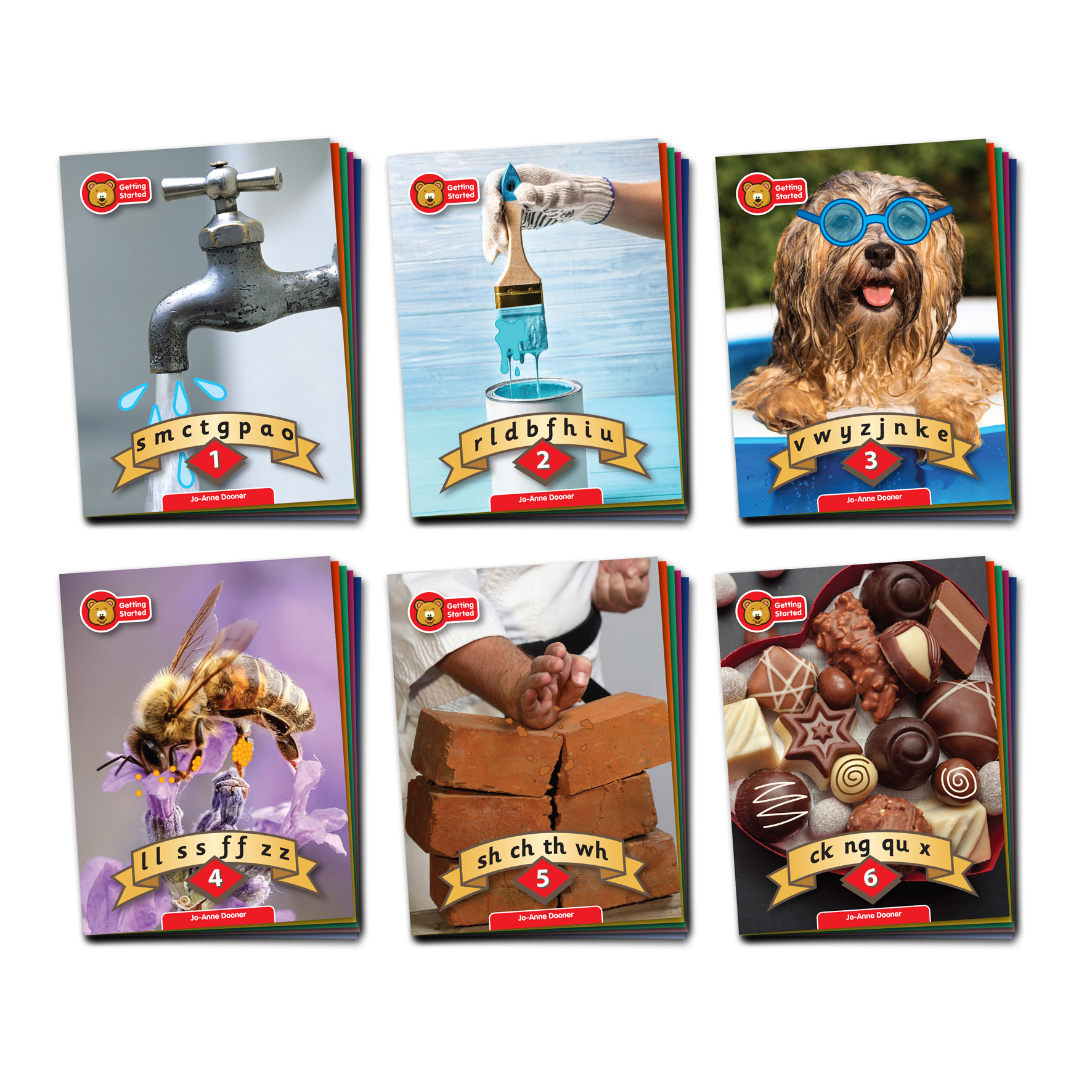
Our classroom packs provide books for kids that are focused purely on decoding (practice books), books that provide important high frequency and high utility words (camera words – where applicable), which combined then lay the foundations for reading full sentences in our decodable stories.
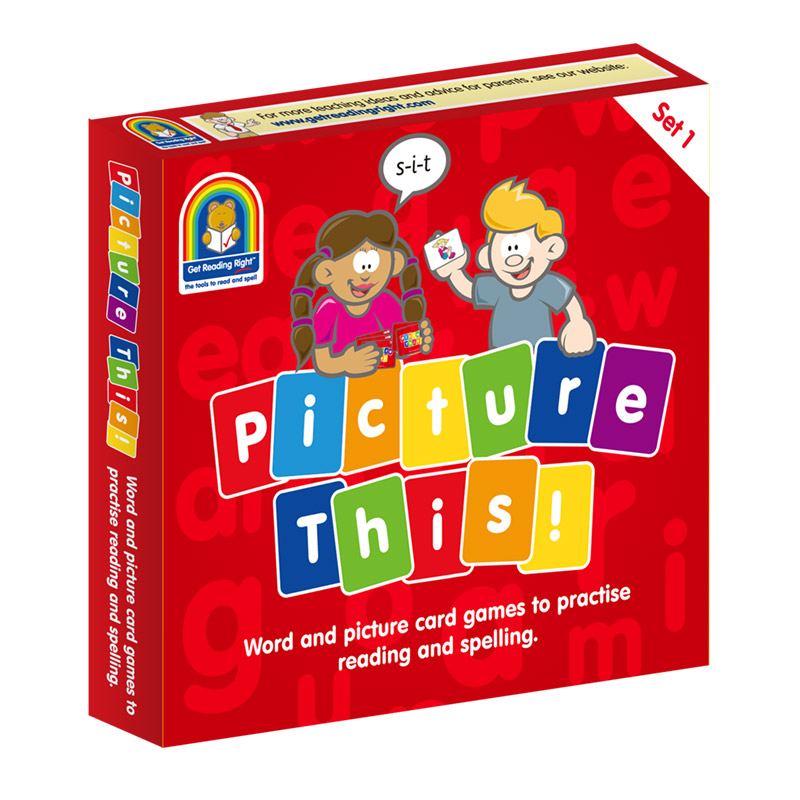
They also contain a teacher manual, worksheet/home work book, and in their first two years at school, card game activities as well that make phonics even more fun!
Australian Made and Owned
Get Reading Right’s books and card games are all made in Australia. Our resources are developed by Australian teachers, for Australian classrooms.
We've Got Your Back with Training and Support
We are here to support you and supply extensive literacy and pedagogy professional learning opportunities via our sister company, Training 24/7.
We provide both online and in-person professional learning, and full demonstration lessons in your school. See it all work in your context! We will teach in any class K-6.
Want to learn more?
Reach out to our friendly team to book a meeting, have some samples shared, or ask any questions you like! We are always here to help.